 Glover Family Roofing
Lower Energy Bills Start With a Better Roofing System
Roof Replacement improves home energy efficiency by stopping air leaks, adding modern insulation, and reflecting heat away from your home. An old or worn roof lets hot and cold air move in and out too easily. That makes your heating and cooling system work harder. A new roofing system helps keep indoor temperatures steady, which can lower energy bills and make your home more comfortable year-round.
What You Need Before Starting
Before planning a roof replacement, take a close look at your current roof. You will want to know its age, condition, and the type of materials used. Many older roofs were not built with energy savings in mind.
It also helps to gather:
- Your recent energy bills to spot rising costs
- Information about current insulation levels in the attic
- Details about ventilation, such as ridge vents or soffit vents
- A budget range for the project
If you are working with a roofing or service company, ask about energy-efficient material options. Not all shingles and underlayment products perform the same way.
Step-by-Step: How a New Roof Boosts Energy Efficiency
Here is how the process works from start to finish.
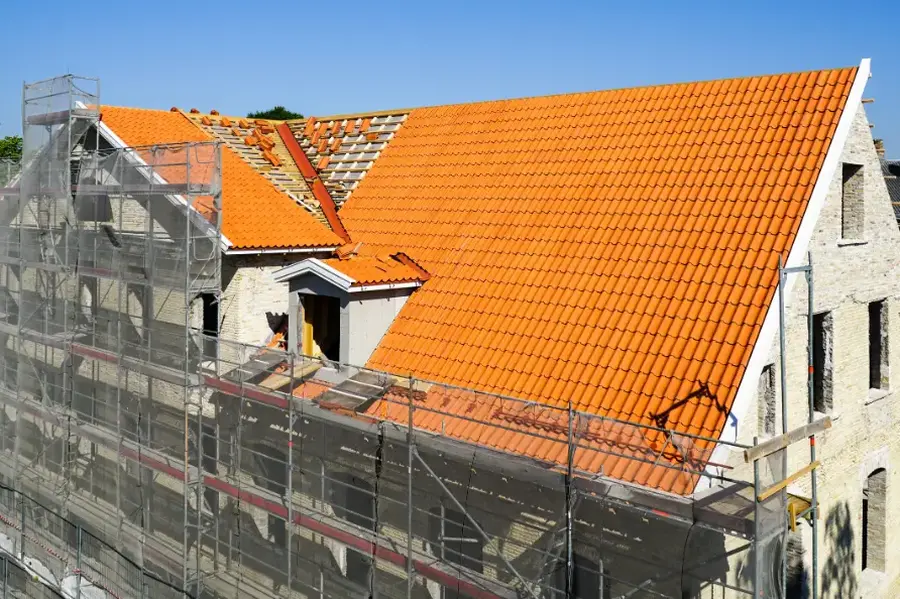
- Remove old materials. Worn shingles, cracked flashing, and damaged underlayment are taken off. This exposes hidden gaps or moisture problems.
- Inspect the roof deck. Contractors check for rot or weak spots that let air leak through.
- Install modern underlayment. New synthetic barriers block moisture and limit drafts better than older felt paper.
- Add or upgrade insulation. Proper attic insulation keeps warm air inside during winter and blocks heat during summer.
- Improve ventilation. Balanced intake and exhaust vents help move hot air out of the attic.
- Install energy-efficient shingles. Reflective or light-colored shingles send more sunlight away from your home.
Each of these steps helps control heat flow. When combined, they create a strong thermal barrier that reduces strain on your HVAC system.
Common Mistakes to Avoid
Not every roof replacement leads to better efficiency. Problems can happen when key details are skipped.
- Choosing materials based only on price
- Ignoring attic insulation during the project
- Forgetting about proper ventilation
- Installing new shingles over old layers
- Hiring crews without proper experience
For example, adding reflective shingles without fixing poor attic airflow will not solve overheating issues. The entire system needs to work together.
When to Call a Professional
Some small fixes, like sealing minor attic gaps, can be handled by a handy homeowner. But a full roof replacement is a large job that requires skill and safety training.
You should call a professional if:
- Your roof is over 20 years old
- You notice frequent leaks or missing shingles
- Your energy bills keep climbing without clear reason
- Your attic feels extremely hot in summer or very cold in winter
A trained contractor can perform a full inspection and explain how different roofing materials affect energy use. They can also check local building codes and ventilation requirements.
Why Energy Savings Add up Over Time
Heating and cooling often make up a large portion of a home’s energy costs. When your roof allows heat to escape in winter, your furnace runs longer. When the attic traps heat in summer, your air conditioner works overtime.
With a properly installed roof replacement, you may notice:
- More even indoor temperatures
- Shorter heating and cooling cycles
- Lower monthly utility bills
- Less wear on your HVAC system
Over several years, those savings can help offset the cost of the project. You also gain comfort, quieter operation, and better indoor air control.
Get Expert Guidance for a Smarter Upgrade
If your home in Albion, MI feels drafty or your energy bills seem too high, it may be time to look at your roof. We at Glover Family Roofing help homeowners choose materials that improve comfort and lower energy use. Our team handles every roof replacement with care and attention to detail. Call us today at (269) 223-3214 to schedule an inspection and learn how we can help make your home more efficient.