 Glover Family Roofing
Putting off Exterior Fixes Can Lower What Buyers Are Willing to Pay
Delayed siding repair can lower your home’s value by making it look worn, unsafe, and poorly maintained. Small cracks or loose panels may not seem like a big deal at first. But over time, they can lead to water damage, mold, and even structural issues. Buyers notice these problems quickly. When they do, they often offer less money or walk away from the sale.
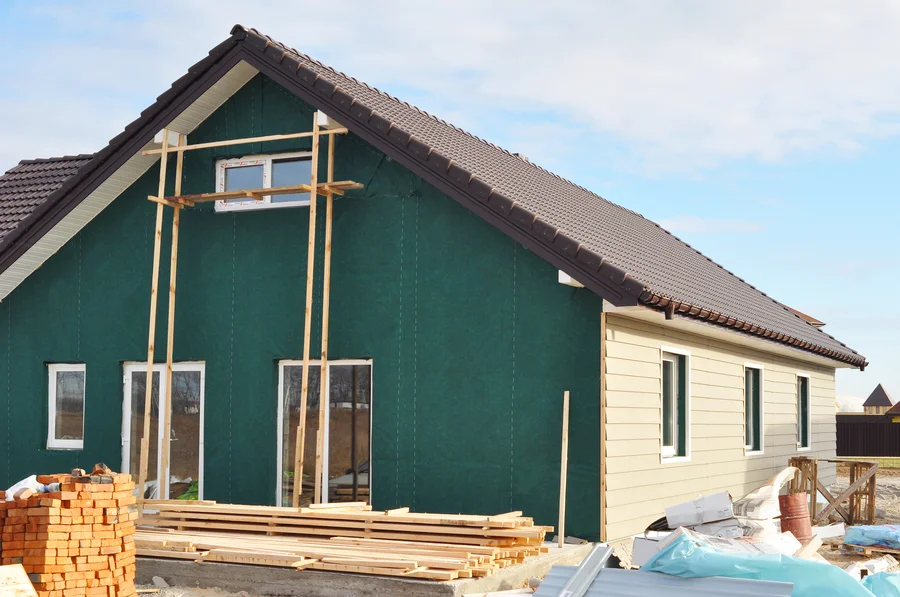
Common Signs Your Siding Is Hurting Your Home’s Value
Many homeowners live with damaged siding longer than they should. The signs are often easy to see, but easy to ignore. Here are some red flags:
- Cracked or broken panels
- Warping or bubbling boards
- Faded or peeling color
- Soft spots from rot
- Loose or missing pieces after storms
These issues make a home look older than it is. Even worse, buyers may think there are hidden problems behind the walls.
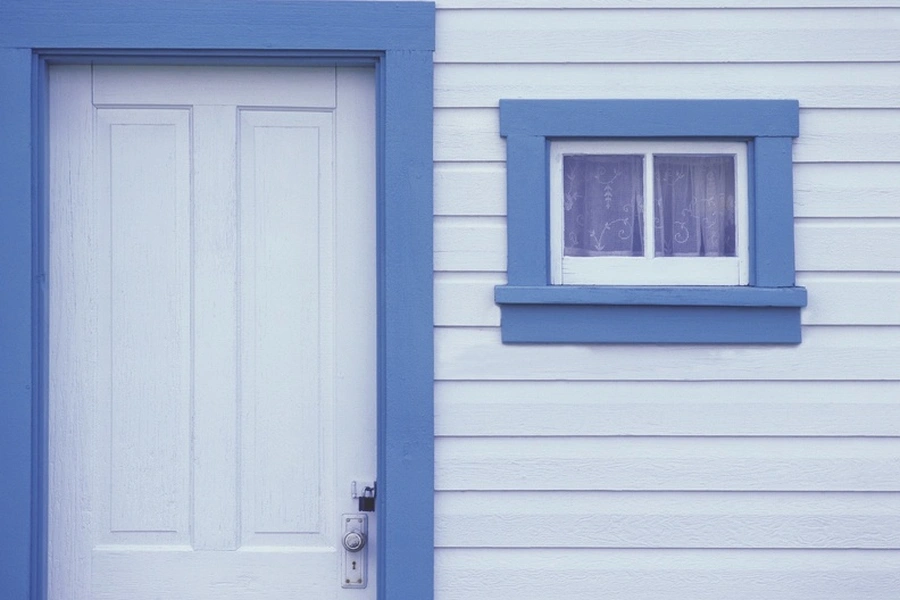
Why Delays Make the Problem Worse
Siding does more than improve curb appeal. It protects your home from rain, wind, heat, and pests. When damage sits too long, water can seep behind the panels. That moisture may soak into the wood frame or insulation.
Once water gets inside, problems grow fast. You might see stained walls, peeling paint indoors, or higher energy bills. Mold can also start forming in damp areas. These repairs cost far more than a basic siding repair job done early.
In real estate, visible neglect sends a clear message. Buyers often assume that if the outside was ignored, other parts of the home may also need work.
What Home Appraisers and Buyers Look For
When an appraiser visits your property, the exterior is one of the first things reviewed. Damaged siding can lower the appraised value. This affects refinancing, selling, or even getting a home equity loan.
Buyers focus on three main things:
- Curb appeal from the street
- Signs of water damage
- Future repair costs they may face
If siding looks worn out, buyers may ask for a price drop. Some may request repairs before closing. Others may move on to a home that feels move-in ready.
Simple Fixes Versus Major Repairs
Not all siding problems require a full replacement. In many cases, early siding repair can solve the issue at a lower cost.
Safe, smaller fixes may include:
- Replacing a few cracked panels
- Re-securing loose sections
- Sealing minor gaps
- Power washing to remove mold and dirt
Bigger repairs may involve:
- Removing sections with rot
- Fixing water-damaged sheathing
- Replacing large areas after storm damage
The longer you wait, the more likely you will need major work instead of a simple repair.
How Fast Action Protects Your Investment
Homes are one of the biggest investments most people make. Keeping the exterior in good shape helps protect that investment. Fresh, solid siding adds to curb appeal. It tells buyers the home has been cared for.
In many cases, homeowners who complete timely siding repair see better offers when selling. Even if you are not planning to move soon, keeping siding in top shape helps avoid large surprise bills later.
Routine checks can help you spot issues early. Walk around your home twice a year. After heavy storms, inspect for loose or broken pieces. Quick action saves money and stress.
How to Prevent Value Loss in the Future
Keeping your siding in good condition does not have to be hard. A simple maintenance plan goes a long way.
- Clean siding once a year
- Trim trees away from exterior walls
- Check caulking around windows and doors
- Look for signs of pests or moisture
- Schedule an inspection after strong winds or hail
These small steps can stop minor wear from turning into major damage. Prevention always costs less than repair after rot or mold spreads.
Protect Your Home’s Value With Timely Repairs
If you live in Albion, MI, weather like heavy rain, wind, or heat can speed up siding damage. At Glover Family Roofing, we help homeowners spot problems early and fix them before they grow. Our team handles everything from small siding repair jobs to larger exterior restoration projects. Call us at (269) 223-3214 to schedule an inspection and protect your home’s value before small issues turn into costly repairs.